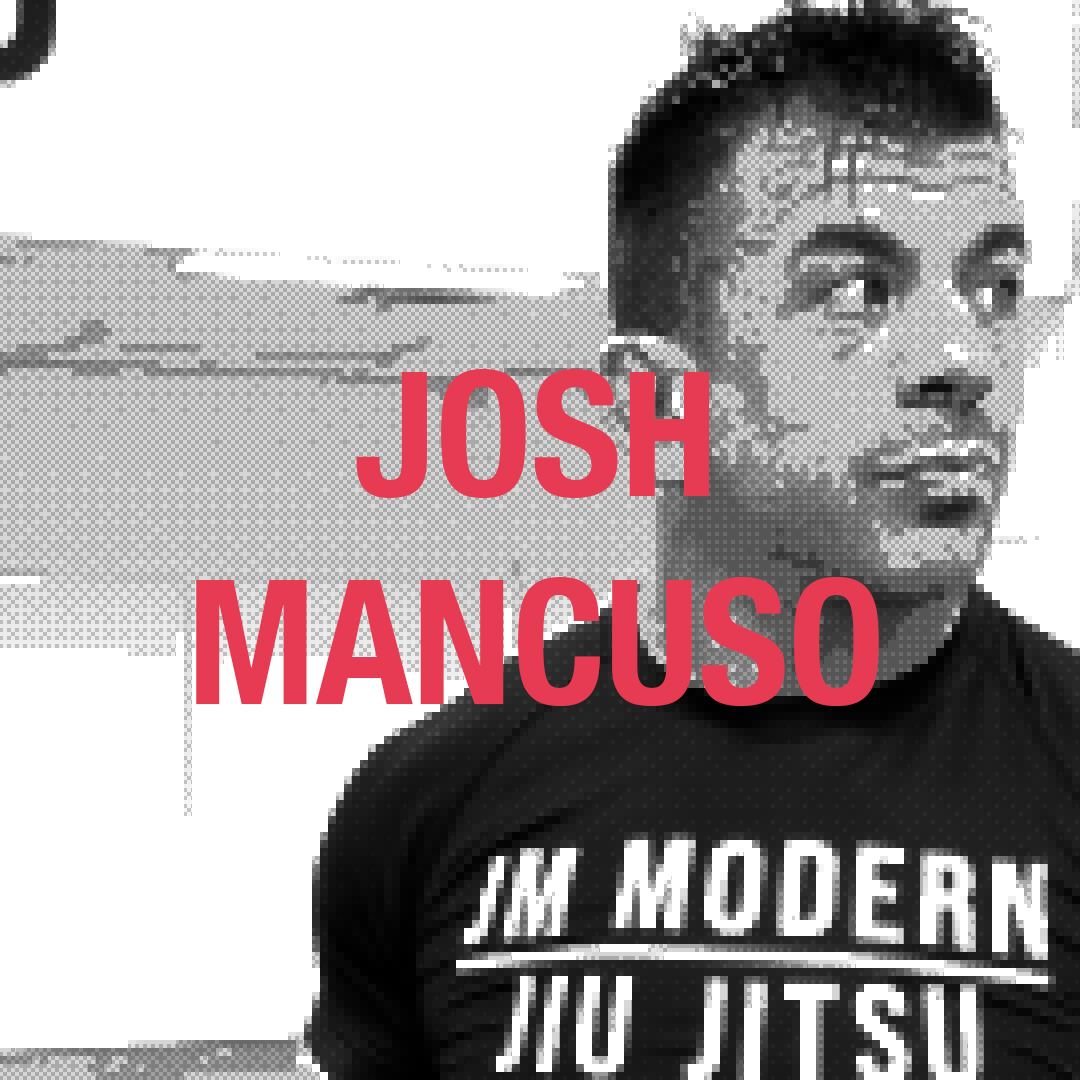
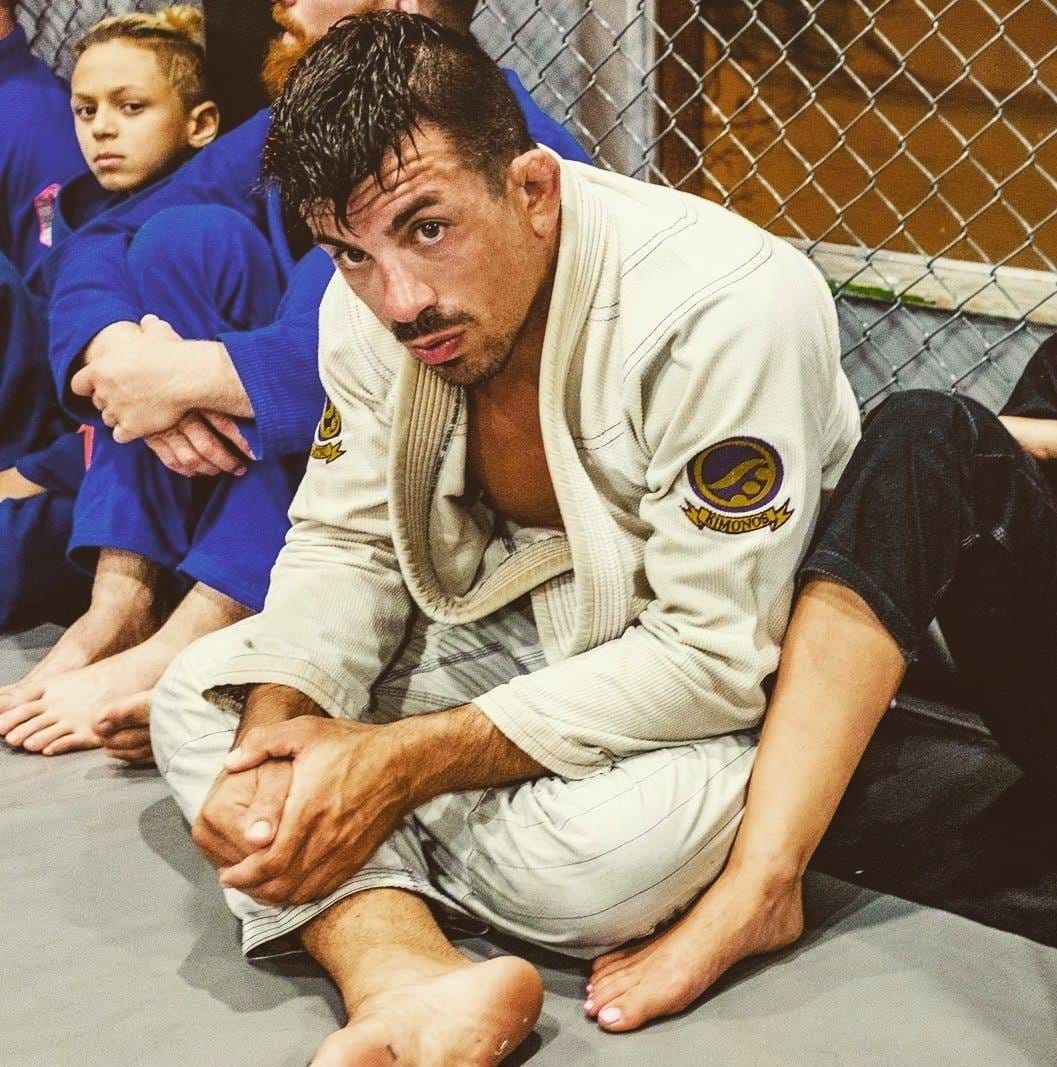
From a street bike crash to building one of Louisiana’s most forward-thinking academies, Josh Mancuso has spent nearly two decades refining how people learn Jiu-Jitsu. What began as necessity became a system. What began as improvisation became structure.
THE CRASH THAT CHANGED EVERYTHING
Josh Mancuso did not find Jiu-Jitsu through tradition. He found it after a crash.
At the time, he was deep into street bikes, riding wheelies and chasing the kind of thrill that tends to define a certain phase of life. Then came the accident. He was riding a wheelie at speed, legs over the handlebars, sitting on the tank, when it all went wrong. Somehow, he got away with it.
Barely.
His family stepped in soon after. Enough was enough. He had a kid. He needed a different outlet.
So he started watching The Ultimate Fighter and hearing the same word over and over again: Jiu-Jitsu.
That led him online, where he found Tim Credeur’s old website for Gladiators Academy. Mortal Kombat music. Gladiator imagery. Enough intensity to make anyone hesitate. He went anyway.
That was the start.
“I met Tim and I had never seen anybody like that. A real man. Someone who commanded the room the moment he walked in.”
LEARNING THROUGH NECESSITY
Tim moved away not long after Josh earned his blue belt.
There was no succession plan. No polished instructor pipeline. No real structure at all. The room just looked around and decided Josh should teach.
So he did.
Back then, he was showing up with instruction books under his arm, reading what he could, sharing techniques with anyone willing to stay after class. He became the coach because somebody had to. Looking back now, he sees that stretch as one of the most valuable parts of his education.
It forced him to learn how to learn.
“I used to complain and think I wished I lived in San Diego or LA. But looking back, I think I really benefited from the struggle.”
That early improvisation became the foundation of how he teaches now. Not just what to show, but how to structure time, how to guide focus, and how to build a room that does not depend on chaos.
BUILDING JM MODERN JIU JITSU
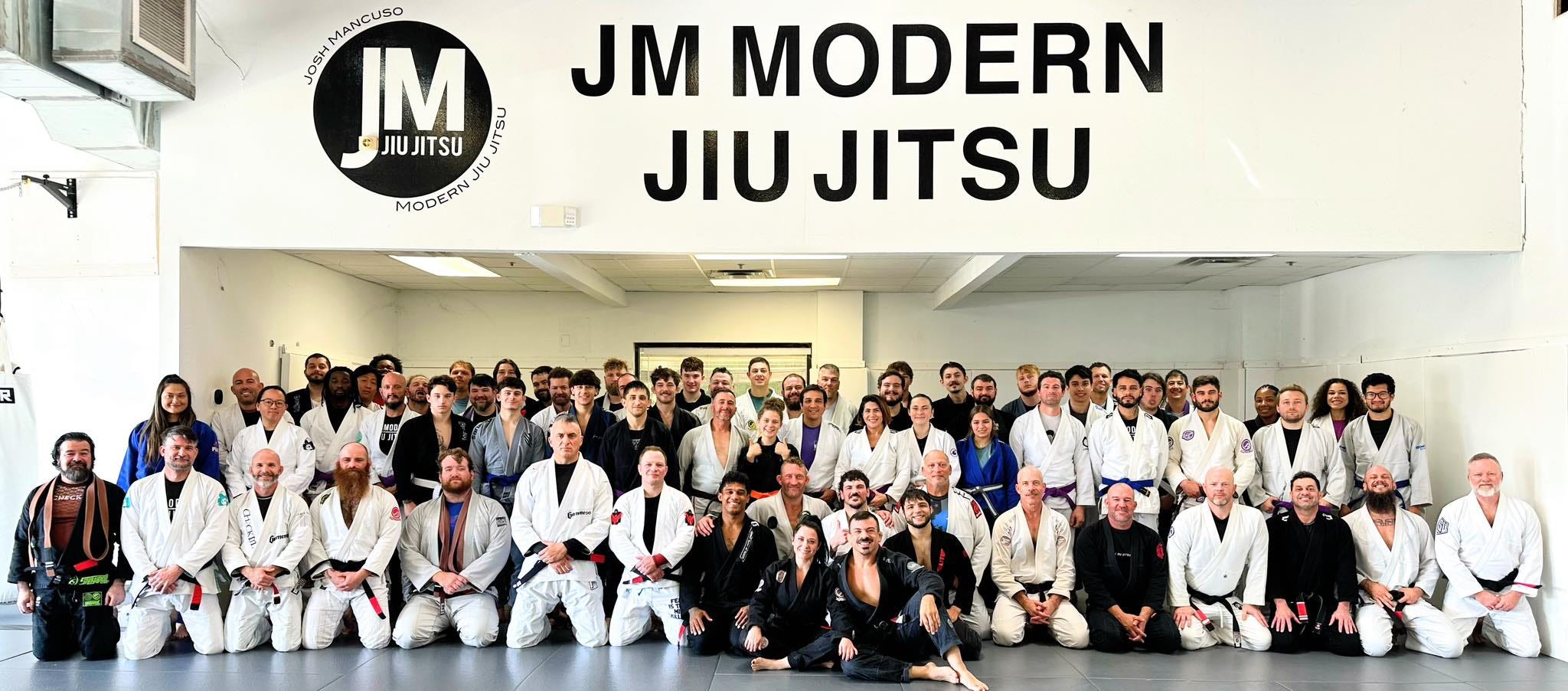
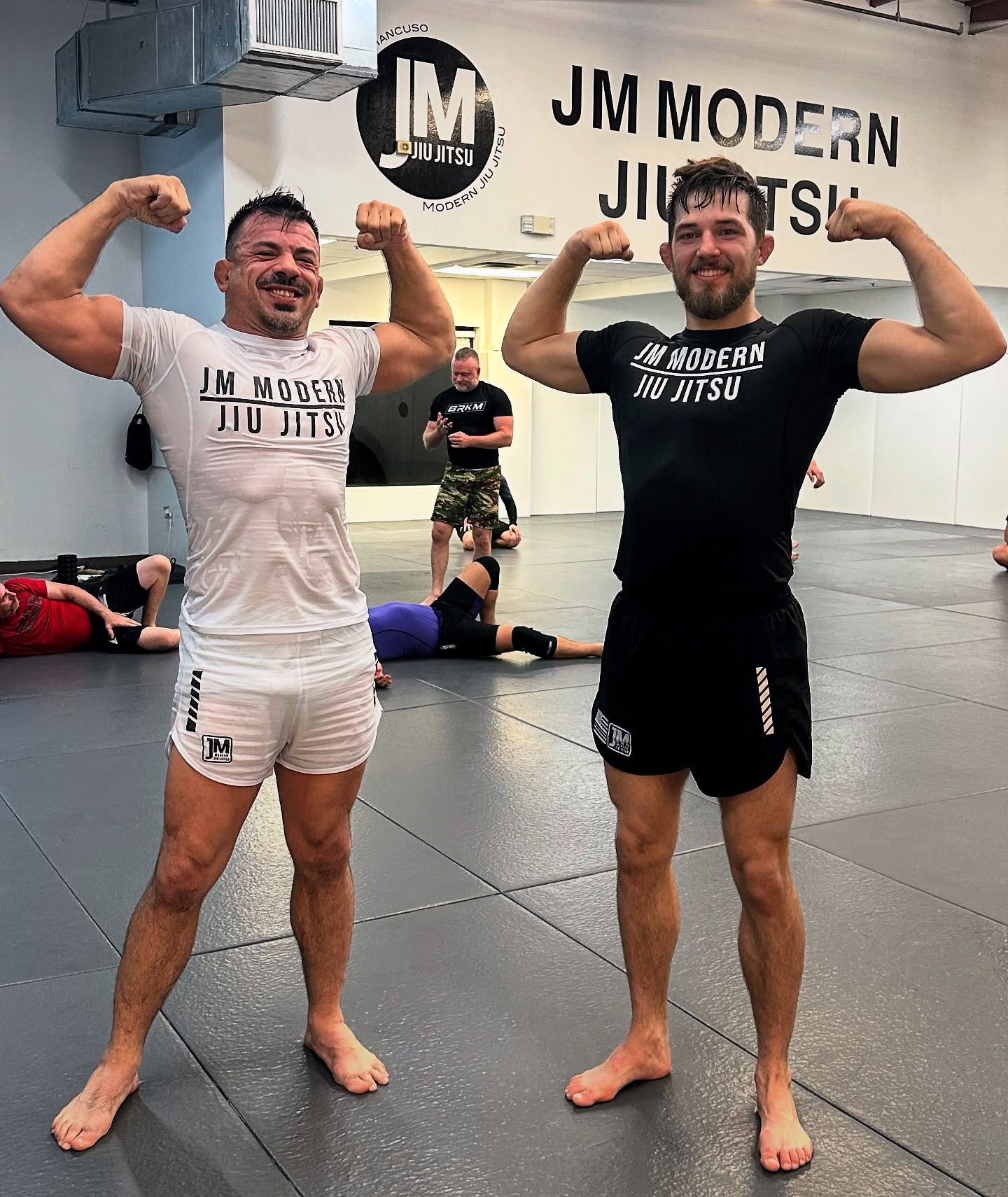
JM Modern Jiu Jitsu opened in 20
16 after Josh left a UFC Gym setup where Jiu-Jitsu was not the centre of the business. He had ideas about what could be done better, and enough experience in sales to understand how to build something with sharper systems around it.
The academy grew quickly.
Not just because of the quality of the training, but because Josh understood that students are not only investing effort. They are spending time and money, and both matter.
That shaped the structure of the room.
Classes are one hour. The first half is instruction or guided work. The second half is rolling. Then there is an open lab after class for the people who want to stay longer, work through ideas, and build on what they just learned.
It is a simple format, but it is precise. And it reflects the same principle he returns to again and again: do not ask for more than people can realistically give, but make what you offer count.
“I can only make the impact I can make if they show up.”
MODERN DOES NOT MEAN CHAOTIC
Josh is clear that modern coaching is not about throwing out everything old. He still uses technical instruction. He still teaches in a traditional format at times. But UGS changed the way he thinks about all of it.
Even when he is not running a full UGS class, he teaches with the same logic underneath. Less aimless drilling. More task-based learning. More focus on goals, timing, and direction.
“Instead of just saying pair up and drill, now it’s more like, let’s stay goal-focused here.”
That shift matters.
It means students are not just copying. They are paying attention to where they are going and why. It means the class keeps moving. It means the coach is not spending half the room telling people to stop talking and start drilling again.
Most importantly, it means the students know what they are trying to solve.
WHY UGS WORKED
Josh was part of the original UGS pilot group, and he is direct about what stood out.
First, it was easy to implement.
Second, it worked across levels.
He talks about one of the biggest challenges of teaching being the drive to class with a clever technique in mind, only to walk into a room full of students who are not ready for it. UGS cuts through that problem. The drills can scale. Everyone can do them. The newer students get direction. The experienced students get detail.
And the coach gets a system.
“I don’t think I’ve ever run across a single drill on there that could not be done by everybody.”
For his academy, that has included screen mirroring UGS onto a TV so students can visually follow the flow of the class. A small adjustment, but a very Josh Mancuso one. Functional. Clear. Useful.
THE HARDEST PART FOR COACHES
What challenged him most was not the student response. It was the restraint required from instructors.
Josh describes it in grappling terms. Good guard passing, in his view, often means existing inside the position long enough to let the right opening appear. UGS asks the same thing from coaches.
Do less. Talk less. Trust the structure.
For a lot of instructors, that is hard.
They want to add more. Explain more. Show how much they know. And often the information is good. It is just too much for the room to absorb.
“Sometimes I feel like I’m not doing my job. Like I should be doing more. But the reality is that’s not how the system works, and the system does work.”
That may be the clearest summary of the modern coaching challenge. Not how to know more, but how to stop over-teaching.
SMALL GOALS, BIGGER DEVELOPMENT
One of the biggest things UGS clarified for him was the value of smaller transitions.
In standard Jiu-Jitsu logic, people focus on the obvious milestones. Pass the guard. Sweep. Submit. Score. Those are the visible outcomes. But Josh points out that those things are built from smaller wins that usually go unnoticed.
Chest to chest. A grip. A hip angle. A pause. A decision made at the right speed.
That is where progress actually happens.
“It focuses on smaller goals that add up, and I really think that’s how it’s done in all successful sports.”
This is where his broader coaching philosophy and UGS line up perfectly. He does not believe more effort automatically equals better Jiu-Jitsu. In fact, one of the biggest misconceptions he sees is the idea that going harder is the answer.
It is not.
What matters is control, confidence, and pacing.
WHAT HE LOOKS FOR IN A ROOM
When Josh watches students roll, he is not primarily looking for who wins the exchange.
He is looking at heart rate. Tempo. The way they move.
If they are frantic, jerky, and rushing, that tells him they are not comfortable yet. If they are smooth, deliberate, and calm, that tells him their mind is engaged and they understand what is happening.
“I’m looking for somebody who can wade into danger and stay there.”
That line says a lot about how he sees the art now.
Not as a test of aggression, but as a practice of composure.
He even talks openly about moving away from the old “be first” mindset. In his room now, the emphasis is more on patience, persistence, and learning how to throttle back rather than forcing everything through intensity.
CULTURE FIRST
Josh is also blunt about something many instructors avoid saying. UGS works better when the culture works first.
He had a few students who pushed back in the beginning, but as he puts it, they were the kind of people who pushed back on everything. Once that energy was gone, the room settled in. The students trusted the process. The classes became fun. Community improved.
That is not accidental.
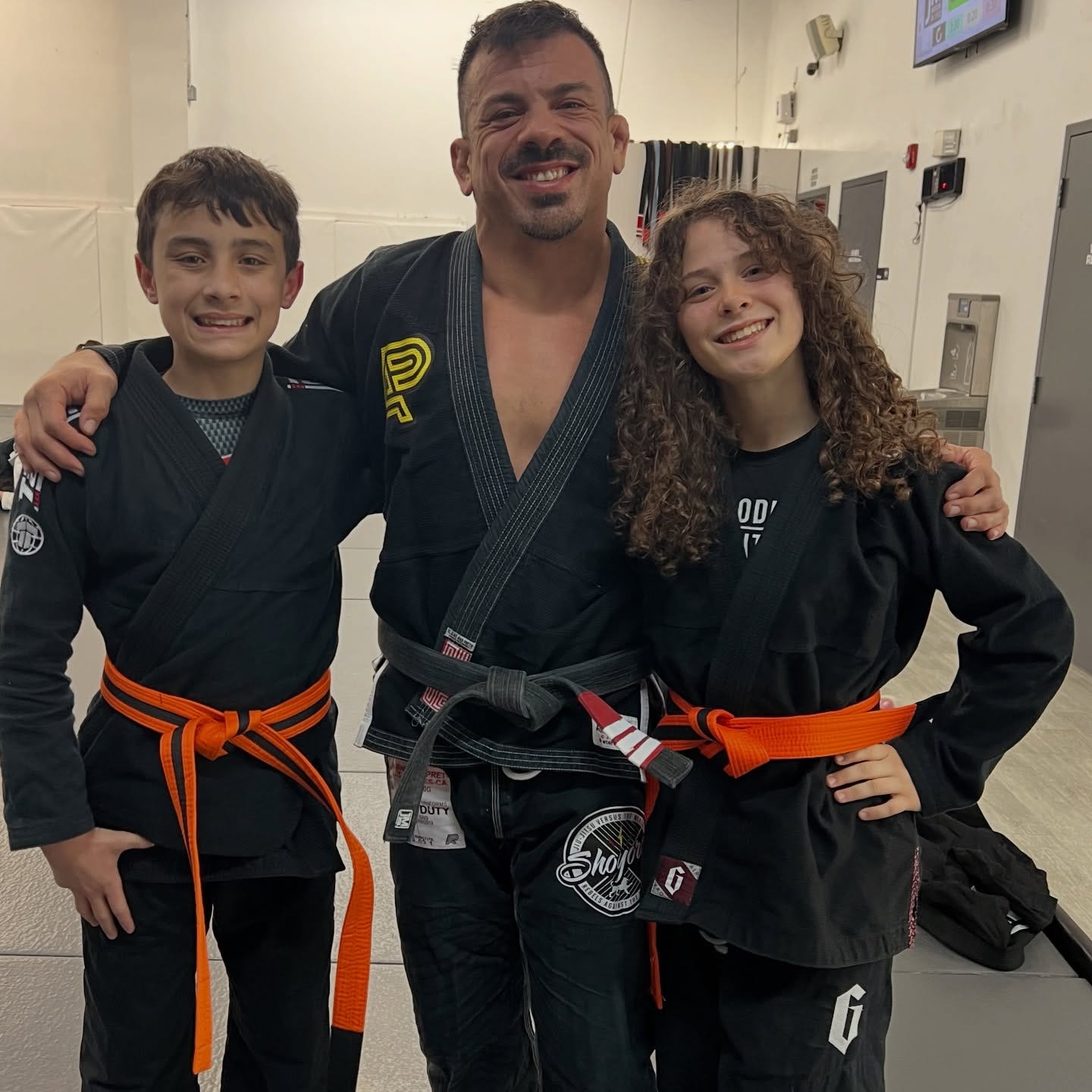
Josh believes in short classes, low friction, clear structure, and a room that does not take itself too seriously. He talks about Shoyoroll’s early influence on him as a cultural reset for Jiu-Jitsu, something that made the sport feel less like heavy metal all the time and more like something people could actually enjoy being part of.
That imprint is still visible in his academy today.
“If you do Jiu-Jitsu, you’re tough already. Now it’s like, let’s just have some fun and make sure everybody has a place to train.”
THE LONG VIEW
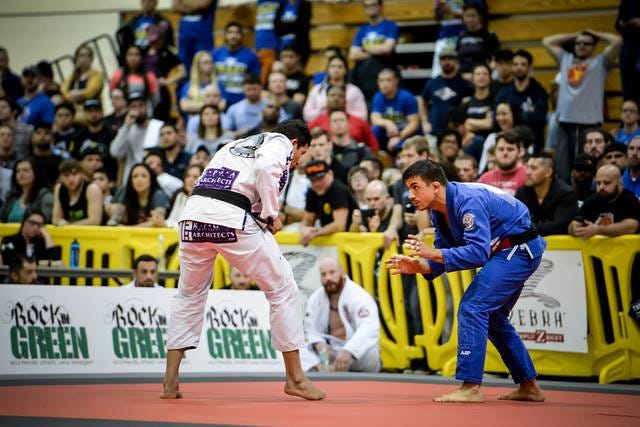
After years of teaching, Josh no longer gets frustrated by Jiu-Jitsu in the way he once might have. He still trains hard. He still competes. He still studies. But there is less urgency in the wrong places now.
He is not chasing volume for the sake of it.
He is thinking about pace, sustainability, attention span, structure, and how people actually learn.
That is what makes this version of modern feel useful. It is not branding. It is not trend-chasing. It is the result of years spent figuring things out the hard way and then building systems that remove unnecessary friction for the people coming after him.
That is also why UGS fit.
Not because it replaced what he knew, but because it sharpened it.
“The hardest and best part is that the lessons are already there. The drills, the techniques, the time, what to mention. Combined with your own knowledge, it’s a powerful weapon.”